

/ Supplied
Quick
facts
- Rebuilding the Main North
Line was one of the biggest rail projects in New
Zealand - Track was buried by slips and
landslides at 100 different
locations - 19,000
sleepers were replaced, 57 miles
of track destressed, 7 miles of track realigned and a
further 7 miles installed - 360
workers lived in temporary accommodation built for
them in and around Kaikōura - The line reopened to
restricted freight within 10 months of the
earthquake.
Ten years after the Kaikōura
earthquake devastated the South Island’s eastern transport
corridor, KiwiRail is reflecting on the extraordinary
collective effort that helped reconnect communities, restore
a critical freight link and rebuild the Main North Line for
the future.
Before the Kaikōura earthquake, more than
one million tonnes of freight moved across the Main North
Line each year. Freight destined for Canterbury and further
south had to be transferred to road and carried over the
inland routes, adding several hours to the
journey.
KiwiRail Chief Executive Peter
Reidy says the scale of the recovery and the commitment of
those involved remain a source of enormous
pride.
“This was an unprecedented challenge for New
Zealand’s transport network. Our people and partner
agencies worked in extraordinarily difficult conditions to
reconnect communities, restore a vital national freight link
and rebuild a railway some initially feared might never
reopen.
Advertisement – scroll to continue reading
To provide coastal capacity between
Auckland and Christchurch, KiwiRail established NZ Connect
with the Port of Auckland, shipping company ANL/CMA CGM and
Lyttelton Port. It also expanded its Spring Creek freight
hub near Blenheim to support freight forwarders while the
railway was closed.
The scale of the task soon led
KiwiRail and the New Zealand Transport Agency to join forces
through the North Canterbury Transport Infrastructure
Recovery (NCTIR), which also brought in contractors and
engineering consultants to help restore the road and rail
links.
NZTA’s Director of Regional Relationships South
Island James Caygill says, “It is easy to forget the scale
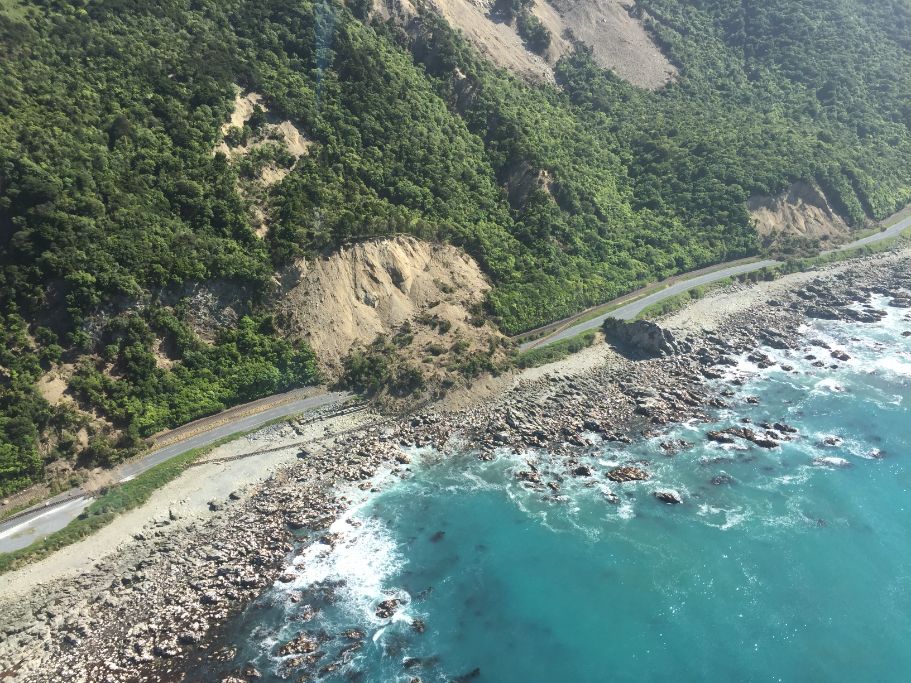
of the event over time. Close to a million cubic metres of
rock and material fell onto the coastal transport corridor,
cutting off State Highway 1 and isolating Kaikōura and
surrounding rural communities. The impact on peoples’
lives and livelihoods was significant.
“With
so much on the line, we saw people rising to the occasion
and working long hours to reconnect those communities, using
methods ranging from the ‘tried and true’ through to
breakthrough innovations to solve tough
problems.”
“The job was never
only about recovering from the impacts of the earthquake. It
was about building a stronger, more resilient transport
network that those communities and New Zealand could rely
on. That is the legacy of all the work that was put
in.”
At the height of the recovery,
around 1,000 people were working from the Kaikōura area.
Accommodation was booked across Kaikōura, Cheviot and
Blenheim, while worker villages were built to house hundreds
of people and local restaurants helped feed the
workforce.
The rebuild included slope stabilisation,
debris barriers, seawalls, realignments, monitoring systems
and new operational controls designed to reduce the risk
from future slips and extreme weather.
“It was the
biggest rail rebuild we had ever undertaken,” says
KiwiRail’s General Manager Project Delivery Daniel Headifen,
who held a senior engineering role at the time.
The
first freight train travelled the reopened Main North Line
on 15 September 2017, just 10 months after the earthquake.
It took a further 13 months for daytime freight services to
resume in October 2018, and the Coastal Pacific passenger
service returned in December 2018.
“The recovery
changed how KiwiRail prepares for and responds to major
events. We improved our emergency bridging capability,
weather forecasting and response processes, and the way we
manage trains during severe conditions.
“There is
resilience in the assets we rebuilt, but Kaikōura also made
us a more resilient
organisation.”