


Canopy Healthcare
A new $30
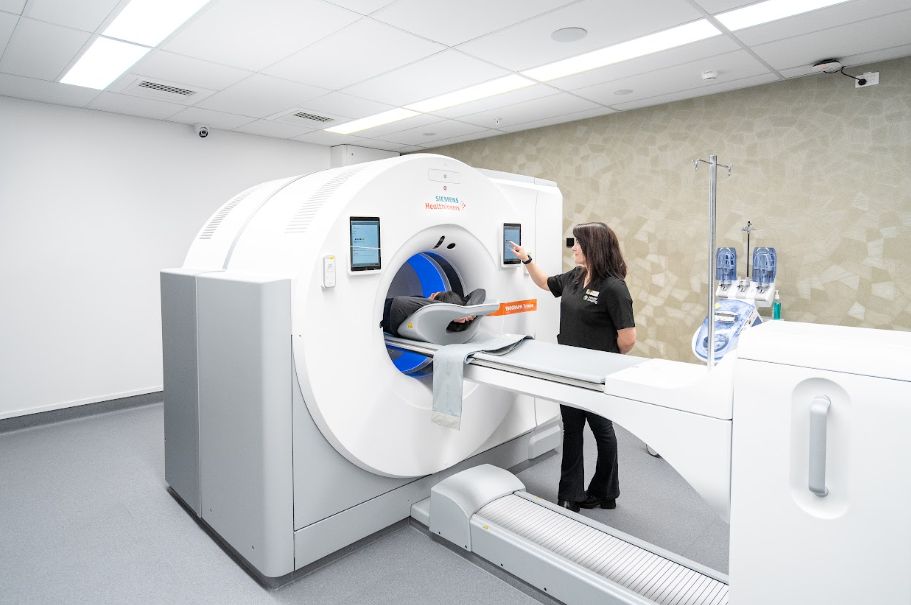
million diagnostic imaging and treatment facility with the
capacity to undertake thousands of scans and specialist
procedures annually is set to open in January, expanding
access to advanced imaging, cancer care and cardiology
services across New Zealand.
Latest Government data
shows demand for diagnostic imaging is continuing to
increase, with NZ’s health system delivering or funding
more than 2.5 million radiology scans and procedures
annually and urgent CT and MRI referrals rising 10% in the
year to June 2026.
The new 3,677sqm medical centre
will bring together advanced scanning technology, targeted
cancer treatments, specialist radiologists, cardiology
consultations and procedures. The integration of these
services is designed to support closer collaboration between
clinicians, reduce delays and improve coordination between
diagnosis and treatment.
Canopy Healthcare
Among its
services will be targeted molecular therapies for selected
patients with advanced prostate cancer and rare cancers
affecting organs such as the pancreas, liver, lungs and
digestive system, as well as a non-surgical treatment for
skin cancer.
Advertisement – scroll to continue reading
Developed by Canopy Healthcare, the
country’s largest private combined diagnostic imaging and
medical oncology provider, the new facility will be the
group’s most comprehensive medical imaging centre,
supporting its network of clinics across the North
Island.
Chris Caradus, Canopy Healthcare
chief executive, says the development reflects increasing
demand for advanced medical services and the need to improve
access to specialist diagnosis and treatment, in a timely
manner.
“Patients with complex medical conditions
often require multiple investigations, specialist
consultations and treatments before a clear picture of their
condition can be established.
“By bringing more of
these services together, we can make it easier for
clinicians to collaborate, reduce unnecessary steps in the
patient journey and help people move more efficiently from
diagnosis to treatment.
“This investment will
significantly expand our capabilities and strengthen the
specialist services we can provide patients through our
wider healthcare network,” he says.
Caradus says the
central Auckland facility will offer an extensive range of
diagnostic imaging services, including MRI, CT, PET-CT and
SPECT-CT scanning, ultrasound, X-ray, 3D breast imaging and
bone density testing.
The centre will also provide
theranostics, an approach to cancer care that combines
molecular imaging with targeted radiation
treatment.
Dr Martin Gunn, Canopy Healthcare chief
medical officer, says advances in imaging and non-invasive
and targeted therapies are revolutionising how complex
diseases are diagnosed and treated.
“We’re not
simply building a new imaging centre. We’re bringing
together the different specialties, the technology and
treatments needed to diagnose and manage complex diseases,
and putting the patient at the centre of that
care.
“Advanced healthcare increasingly relies on
teams of specialists working together, rather than
individual doctors working in isolation.
“One of the
frustrations of private healthcare in New Zealand is that
patients often have to navigate a fragmented system, with
different specialists and providers working
independently.
“This creates a risk of patients
falling through the gaps, with investigations, follow-up or
treatment being delayed or overlooked.
“Having
specialists working together, communicating directly,
sharing information, and coordinating care behind the scenes
via multidisciplinary meetings and face-to-face discussions
leads to better clinical decisions and a better experience
for patients.
“The facility will offer the most
advanced developments in cancer diagnosis and treatment,
including molecular imaging and targeted radionuclide
therapies. These allow us to identify specific
characteristics of a patient’s cancer and, in selected
cases, deliver treatment directly to the cancer cells,”
says Dr Gunn.
The facility will also introduce a
non-surgical treatment for selected non-melanoma skin
cancers, including basal cell carcinoma (BCC) and squamous
cell carcinoma (SCC). An estimated 90,000 cases of
non-melanoma skin cancer are diagnosed in New Zealand each
year. The treatment uses a radioactive paste containing
rhenium, typically applied in a single session, providing an
alternative to surgery for suitable patients.
The new
facility is also expected to strengthen access to specialist
healthcare in regional New Zealand, where access to highly
specialised medical personnel can be more
challenging.
Canopy operates clinics across Northland,
Rotorua, Taupo, Gisborne, Hawke’s Bay, Taranaki,
Manawatū, Horowhenua and Wairarapa, with the new centre
providing additional specialist infrastructure to support
patients and clinicians across the wider
network.
Caradus says the group already shares
specialist medical personnel across its New Zealand network,
with clinicians travelling between Auckland and our regional
centres to deliver treatments that may not otherwise be
available locally.
“Some diagnostic procedures and
treatments require highly specialised medical personnel who
may not be available permanently in smaller
centres.
“The objective is to make better use of the
specialist resources available and reduce some of the
geographical barriers patients face when accessing
healthcare,” he says.
Alongside its diagnostic
imaging and treatment services, the facility will provide
interventional radiology, using advanced medical imaging to
guide minimally invasive procedures such as tissue biopsies
and selected therapeutic interventions, as well as access to
specialists in orthopaedics, otolaryngology, urology and
general surgery.
Specialist cardiology service Cardia
Care will also provide consultations and procedures on site,
giving patients access to heart specialists and cardiac
imaging expertise alongside the centre’s other medical
services.
The centre will support coordinated patient
pathways with Canopy Cancer Care, the group’s specialist
oncology service, although its broader cancer treatment
services will continue to operate from existing
locations.
The new facility will employ approximately
50 staff, including radiologists, specialist medical
practitioners, nuclear medicine technologists, plus clinical
support and administration staff.
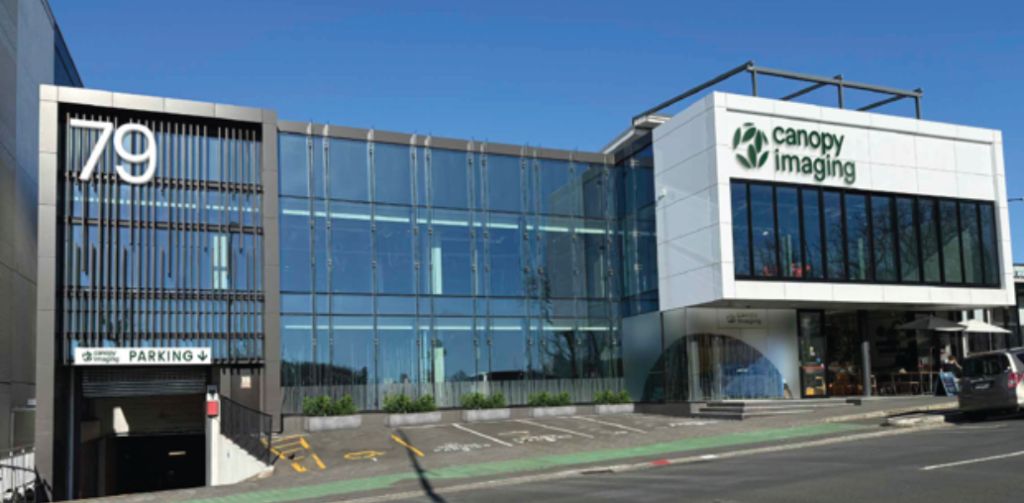
Located in
Auckland’s Newmarket, the centre involves the extensive
redevelopment of an existing commercial building into a
modern medical facility designed around the needs of
patients.
Its opening follows the establishment of
eight Canopy Imaging clinics in recent years and represents
the culmination of several years of investment in the
group’s diagnostic and specialist healthcare
network.
Located at 79 Carlton Gore Road in Newmarket,
approximately 600 metres from Auckland City Hospital, the
new centre will help reduce barriers to accessing specialist
diagnostic and treatment services by bringing a range of
medical services together in one location.
The
facility will combine advanced diagnostic and treatment
technology with a purpose-designed clinical environment that
supports patient experience, multidisciplinary collaboration
and coordinated care.
The centre is scheduled to
welcome its first patients on 5 January 2027, with referrals
already being accepted.
References
- Health
New Zealand, Diagnostic Data and Statistics. Confirms
Health NZ delivers or funds more than 2.5 million radiology
events annually.
https://www.healthnz.govt.nz/about-us/health-data/data-sets-and-collections/diagnostic-data-and-statistics - New
Zealand Government, Minister of Health (12 September 2026).
Diagnostics Target Exceeded as Waitlists Fall 21 Per
Cent. Reports a 10% increase in urgent CT and MRI
referrals during 2025/26.
https://www.beehive.govt.nz/release/diagnostics-target-exceeded-waitlists-fall-21-cent
Source link