


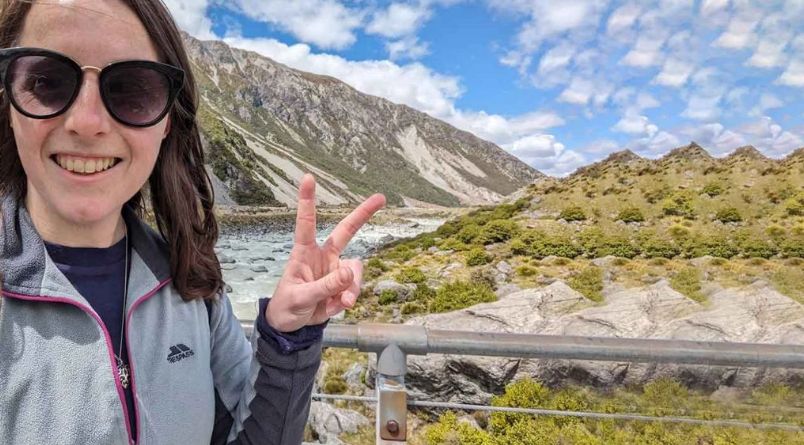
Credit: https://wanderlustcraze.com/
A
travel guide can be accurate when it is published and
misleading six months later.
That is especially true
in New Zealand, where heavy rain can close a highway
overnight, an alpine river can force a walking track to be
rebuilt, and a retreating glacier can change what visitors
are physically able to see from one decade to the
next.
The scenery may look timeless in photographs.
The practical details are not.
For travellers, this
creates a problem. Search results often surface articles
written years earlier, with no clear indication of when the
access information, parking rules or safety advice was last
checked. A description of a mountain view may still be
perfectly useful. Instructions for reaching it may no longer
be.
New Zealand travel advice needs to be treated less
like a finished story and more like a living
record.
The Hooker Valley Track Did Not
Simply “Reopen”
The Hooker Valley Track
is a good example of how much can change while the
destination name stays the same.
The full route was
interrupted after storms and riverbank erosion affected the
second crossing over the Hooker River. A replacement bridge
opened in July 2026 after more than a year of restricted
access.
Advertisement – scroll to continue reading
It was not a minor repair. The new 189-metre
crossing is now New Zealand’s longest suspension bridge,
and the
Department of Conservation’s current Hooker Valley
information reflects a walking experience that differs
from the one described in older guides.
Even that was
not the end of the update.
A surge in visitor numbers
after the bridge opened led DOC to announce a “pause
gate” at the older first bridge, where walkers need to
observe a 20-person limit. A visitor relying on an old
article might know the track is open without knowing how its
crossings, crowd management or expected journey have
changed.
The attraction remains the Hooker Valley
Track. The information needed to visit it responsibly has
moved on.
Franz Josef Glacier Is Changing the
Meaning of a Glacier Walk
At Franz Josef
Glacier/Kā Roimata o Hine Hukatere, the landscape itself
has rewritten the visitor experience.
Older
photographs show people much closer to the ice. Today, the
short public walking track leads to a viewpoint in the
valley rather than onto the glacier. DOC says helicopters
are now the only safe way to take guided visitors onto the
ice.
The glacier’s retreat is only one part of the
story. The access road and walking track can close because
of flooding, rockfall or landslides. Visitors are told not
to cross barriers, even when the glacier appears
tantalisingly close.
The
current Franz Josef Glacier walking advice also includes
parking charges of $2.50 per half-hour or $20 for the
day.
Those fees are part of a wider change at popular
conservation sites. Following an initial trial,
paid parking was retained at Franz Josef, Aoraki/Mount Cook
and Punakaiki, with revenue intended to support
conservation and visitor infrastructure.
An undated
guide may still describe the valley beautifully. It may fail
the traveller on access, cost and
safety.
Firsthand Experience Can Be True and
Out of Date
The challenge becomes more
sensitive when a real experience no longer matches what a
visitor can do today.
Mauao at Mount Maunganui was
badly affected by the landslides of January 2026. Six people
lost their lives, 42 landslides were identified around the
maunga, and the summit and base tracks remained closed as of
November 2026.
Tauranga City Council has said any
reopening will need to be gradual and guided by engineering
advice, risk assessment and decisions made alongside the
Mauao Trust and tangata whenua. The
official Mauao recovery page remains the appropriate
place to check before planning access.
A writer who
climbed Mauao before the disaster did not imagine the
experience. Their photographs, timings and observations may
still have value. But that experience must now be presented
as historical context, not current
instruction.
Rebecca Crowe’s Mount Maunganui guide
for
Wanderlust
Craze shows how firsthand reporting can sit alongside
updated access information. It preserves her account of
hiking Mauao before the landslides, while a separate notice
explains that the summit and base tracks remain closed.
Readers can distinguish the writer’s experience from the
conditions they need to check before
visiting.
Search Engines Can Repeat
Information Long After It Has
Expired
Travellers no longer find advice
only by reading a guide from beginning to end.
They
ask a search engine whether a track is open, request an
AI-generated itinerary or scan a short extract without
checking when the original page was written. An outdated
sentence can therefore travel much further than the article
that contains it.
The Government has recognised the
importance of accurate, structured travel information. A
recent
investment in making New Zealand tourism information more
accessible through AI search includes work intended to
make regional tourism data easier for digital tools to find
and use.
That is useful, but better technology cannot
fully repair an outdated source.
If a page still says
a closed track is open, a search tool may confidently repeat
it. If a parking fee, access restriction or safety warning
is buried in a later update, a traveller may never see
it.
The quality of an answer still depends on the
quality and currency of the information underneath
it.
A Useful Guide Should Show What Was
Checked
Not every travel article needs to be
rewritten each season.
A description of a coastline,
town centre or mountain view may remain accurate for years.
The details that can cost a traveller time, money or safety
deserve closer attention.
A responsible guide should
make several things easy to see:
- When the article
was first published and last updated - When access,
pricing or transport information was checked - Which
details come from firsthand experience - Which details
were verified through DOC, councils, transport agencies or
operators - Whether any part of the original
experience is no longer available
The
distinction between “I walked this route” and “this
route is currently open” may look small on the page. For
the reader, it is crucial.
Travel publishers should
also link directly to the authority responsible for the
current condition. Tourism New Zealand directs visitors to
road alerts, DOC notices and local closures through its
national travel-alert information.
A clear source link
does not weaken a guide. It gives the reader somewhere
reliable to check after the article was
published.
Accurate Information Supports
Regional Tourism Too
New Zealand wants more
visitors to explore beyond its main gateways and spend time
in regional communities.
Government-backed
regional tourism campaigns are encouraging international
visitors to stay longer and travel further.
That
ambition depends partly on trustworthy practical
information.
A traveller is more likely to visit a
smaller town, remote track or conservation area when they
can understand how to get there, what is open and what has
changed. Poor information does the opposite. It sends people
towards closed areas, creates false expectations and places
extra pressure on local businesses to correct mistakes they
did not publish.
Online travel advice is not physical
infrastructure, but it increasingly behaves like part of the
visitor network. People use it to decide where to drive,
where to park, how long to allow and whether a journey is
safe.
The Best Travel Guides Admit That
Places Move On
New Zealand’s landscapes
are a large part of what makes the country worth visiting.
They are also why its travel advice cannot be treated as
permanent.
Rivers shift. Glaciers retreat. Roads
flood. Tracks close and reopen in a different form.
Communities recover from events that alter how familiar
places can be visited.
A useful guide does not need to
predict every change. It needs to show readers what was true
when the writer visited, what has been checked since, and
where to confirm the latest conditions before setting
out.
The scenery may be the reason someone starts
planning the trip.
Current, honest information is what
helps them complete it
safely.
Source link